We talk about wellness like it’s something you have to leave home to find — a studio membership, a retreat, another supplement on the shelf. But some of the most meaningful things you can do for your health are simple, daily, and happen about fifteen feet from your back door.
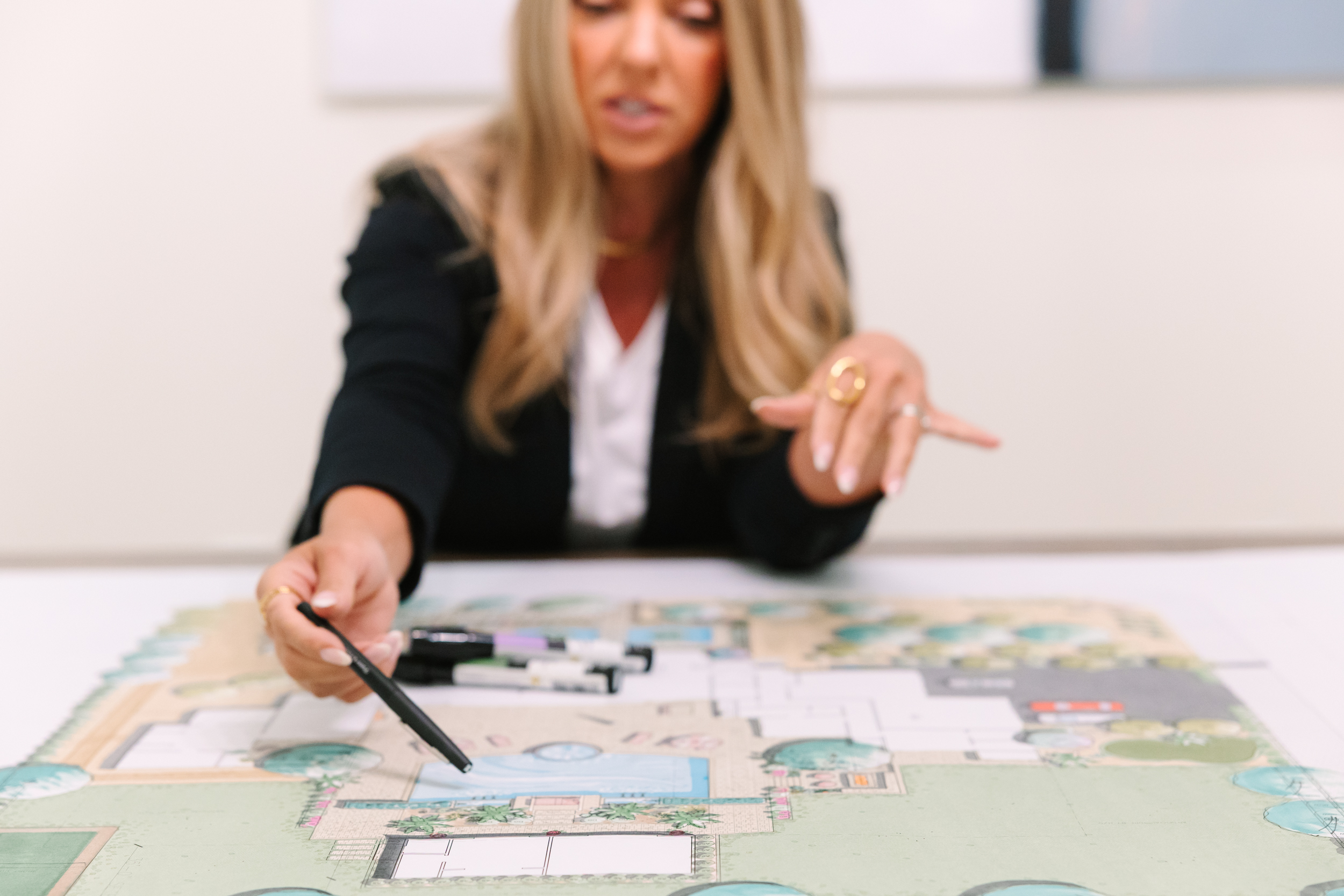
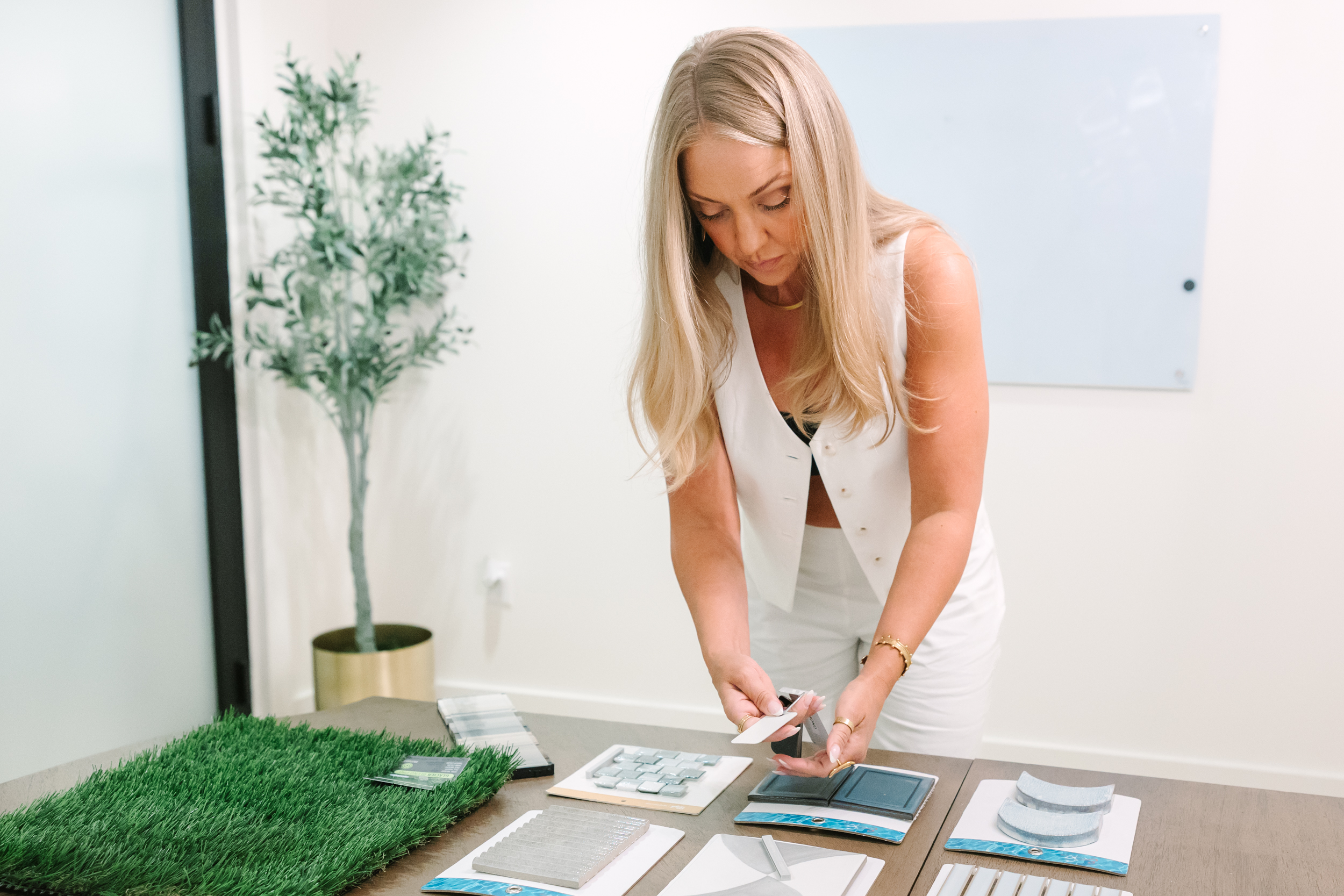
I design outdoor living spaces in Franklin, Brentwood, and throughout Middle Tennessee, and over the years I’ve become convinced of something: a well-designed backyard is one of the most underrated wellness tools a family can own. Not because a patio cures anything — but because good design makes the healthy thing the easy thing.
Where I place a chair determines whether you sit in the morning sun. Where I place shade determines whether you use your yard at all in August. Whether there’s a place to gather without a screen determines what your evenings actually look like.
Here’s how I design a backyard for wellness.
1. It starts with morning light — and the sound of water
One of the first things I look for on any property is where the morning sun lands — and then I put a place to sit right in it.
Getting outside into natural light early in the day is one of the simplest, best-supported things you can do for your sleep, your energy, and your mood. So I design a small, intentional spot for it: two comfortable chairs, a surface for a glass of water, positioned to catch the east light. The ritual I hope for is a quiet one — you step outside when you wake up, drink a full glass of water before your coffee, and let the morning find you before the day does.
Then I think carefully about what you’ll hear while you sit there. Water features aren’t decorative objects to me; they’re instruments, and placement is everything. I position them within earshot of that morning seat so your first ten minutes outside have a soundtrack — moving water instead of traffic. It’s one of the most effective ways to soften road noise, and it gives your attention something gentle to land on.
It takes ten minutes. It changes how the whole day feels.
2. Then I protect you from the western sun
Morning light is a gift. Late-afternoon western sun in a Tennessee summer is something else entirely — harsh, punishing, and the reason so many beautiful patios sit empty from June through September.
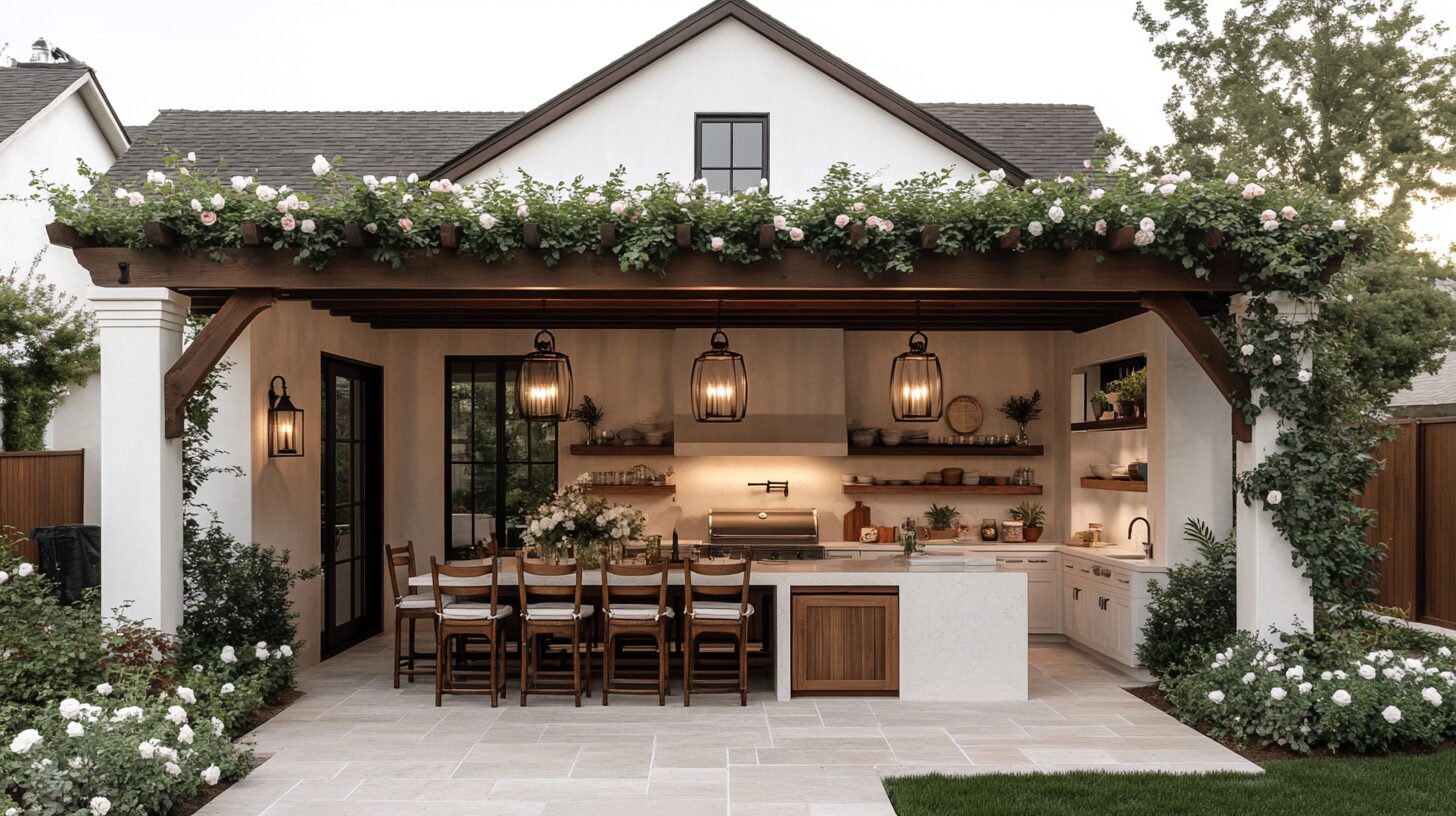
Shade is not an accessory. It’s what makes a space usable. I plan for it deliberately with covered structures, pergolas, and strategic tree placement on the western exposure, so your outdoor room stays comfortable through the hottest part of the day, protects your family’s skin, and genuinely extends your season.
A yard you can’t stand to be in doesn’t do anything for your health.
3. Sensory gardens: designing for all five senses
Most landscapes are designed to be looked at. A sensory garden is designed to be experienced — and it’s one of the most quietly powerful wellness tools I work with.
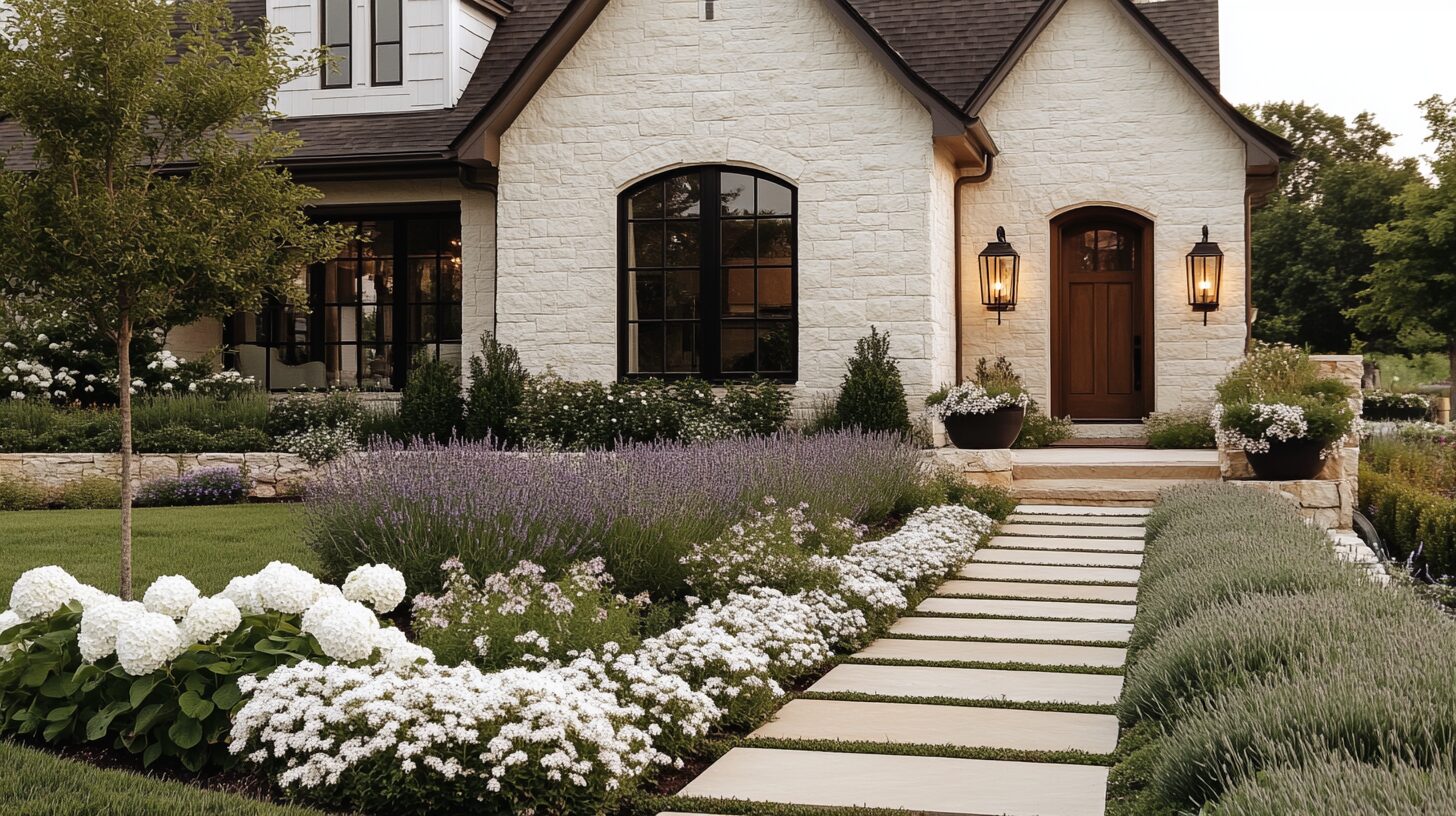
I layer plantings so there’s something for every sense along the paths you actually walk. Fragrance placed where you’ll brush against it — lavender and rosemary at the edge of a walkway, gardenia near a seating area, herbs by the door. Sound built in with ornamental grasses that move in the slightest breeze. Texture you want to reach for, like lamb’s ear or the peeling bark of a river birch. Color and movement that draw pollinators and give your eye somewhere to rest.
The effect is grounding. When a space engages your senses, it pulls you into the present moment without asking you to try — which is, essentially, what mindfulness is.
4. I make room for movement — and for real training
The best exercise is the kind you don’t have to drive to. When outdoor fitness is designed into a space, it stops being a plan and starts being a habit.
At the gentler end, that’s a flat, well-drained lawn panel for stretching and play, a shaded deck sized for a yoga mat, a pool built for actual swimming, or a path that makes a loop of your own property.
But I also design for people who train seriously. A sled push track laid in artificial turf. Anchor points for battle ropes. Space and surfacing for tire tosses, carries, and functional work. A durable, well-drained zone that can take a beating and still look intentional within the larger design.
The key to all of it in this climate is conditioning the space: shade structures over the training area and misting systems to bring the temperature down. That’s the difference between a training space that gets used year-round and one that becomes an expensive storage pad by mid-July.
5. Contrast therapy: sauna and cold plunge
Sauna and cold plunge have moved from niche to genuinely requested, and I love designing for them.
The design considerations matter more than people expect. The two need to be near each other — the whole practice depends on moving between them easily. You need privacy and screening, thoughtful drainage, non-slip surfacing on the transition path, and somewhere comfortable and shaded to sit and recover between rounds. Placement should feel like a retreat within the property, not an appliance parked near the fence.
Plenty of people find the practice restorative and a genuinely enjoyable ritual. As with anything that puts real stress on your body, it’s worth a conversation with your doctor first if you have any cardiovascular or health concerns.
6. I design screen-free rooms on purpose
This is one I feel strongly about. Not every outdoor space needs a television.
I intentionally design gathering areas with no screen at all — because what fills that space instead is conversation. Kids stay outside longer when outside is genuinely more interesting than a device. Adults linger. The dynamic of a family changes when there’s a beautiful place to be together and nothing competing for everyone’s attention.
An outdoor room without a screen isn’t a space that’s missing something. It’s a space that’s protecting something.
7. I build in healthy food — growing it and cooking it
An outdoor kitchen nudges a family toward a healthier way of eating almost by accident. Grilling favors simple proteins and vegetables. Cooking outside slows the meal down. And it turns dinner into something people do together instead of something one person does alone in the kitchen.
I design outdoor kitchens so there’s room for more than one cook — counter space where a kid can season the vegetables, a spot where someone else assembles the plates, a layout where the person grilling isn’t cut off from the conversation. Everybody gets a job.
I also love working an edible layer into the planting: herbs by the kitchen where you’ll actually reach for them, tomatoes and peppers within a few steps of the grill, berries somewhere the kids will find them. There’s something that shifts in a child who pulls a tomato off the vine they watered. Food grown at home tends to get eaten at home.
8. Your backyard should be the vacation you can walk to
I believe you should be able to go on vacation by stepping through your back door.
That’s a real design goal, not a slogan. It comes from privacy — planting and structures that screen out neighbors and traffic. It comes from the sound of water. It comes from lighting that makes the space feel like somewhere else after dark. It comes from a layout that gives you a destination in your own yard, far enough from the house that you feel like you’ve arrived somewhere.
When it’s done right, you come home after a hard day, walk outside, and your shoulders drop. That’s the whole point.
9. Conversation needs a place to happen
Some of the most important conversations in a family’s life happen outside, around a fire, after the plates are cleared.
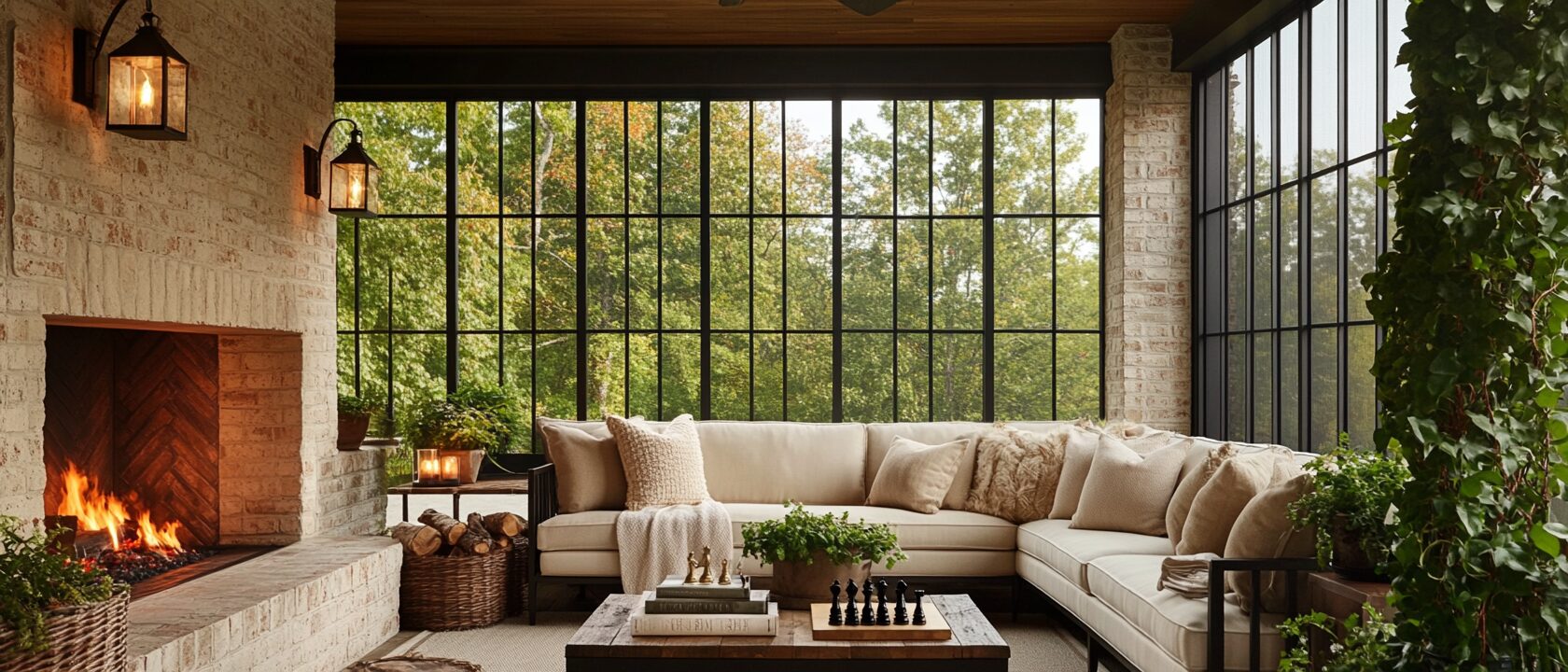
So I design for it. Fire pits with seating close enough that people don’t have to raise their voices. Dining tables positioned where nobody’s rushing to get up. Seating arranged in a circle rather than a row, because a circle invites people to stay.
Emotional well-being isn’t usually something you can design directly. But you can absolutely design the conditions for it — and then let your family do the rest.
10. And sometimes, it’s just the dirt
I believe getting your hands in the dirt is a form of therapy.
There’s something restorative about tending a living thing — noticing what needs water, watching something you planted come back a season later. Time spent gardening is consistently associated with lower stress, and anyone who’s done it on a bad afternoon already knows why. It’s quiet, it’s tactile, and it asks nothing of you but attention.
So I make room for it. A raised bed you can reach without kneeling. A potting area near the water source. Planting beds designed to be participated in, not just looked at.
Frequently asked questions
Do I need a big yard for any of this? No. Almost none of it depends on square footage. A morning-sun seat, a shaded spot, a sensory planting bed, and a fire pit can all live comfortably on a modest lot — and often work better when the space feels intimate.
What’s the single highest-impact change? Shade on your western exposure, followed closely by a morning-sun seating spot within earshot of water. The first makes your yard usable; the second makes it part of your daily routine.
Can I really train outside through a Tennessee summer? Yes — but only if the space is conditioned for it. Shade structures and misting systems are what make an outdoor training area usable in July rather than abandoned.
Can this work with a patio I already have? Absolutely. A lot of wellness-focused design is about repositioning, adding shade, editing what competes for attention, and layering in planting — not starting over.
Designing a backyard your family will actually live in
A backyard won’t fix your sleep, your stress, or your family’s screen habits on its own. But a thoughtfully designed one removes the friction — it puts the morning light, the sound of water, the shade, the real food, the fire, and the quiet exactly where you’ll use them.
That’s the kind of outdoor living I design: spaces that don’t just look beautiful, but quietly make daily life better.
Thinking about a backyard that supports how you actually want to live? Start a project with Orchard and let’s design something your whole family will live in.